
Breathe Easy Before Your Big Event: Cybersecurity for Entertainment and Sports Venues
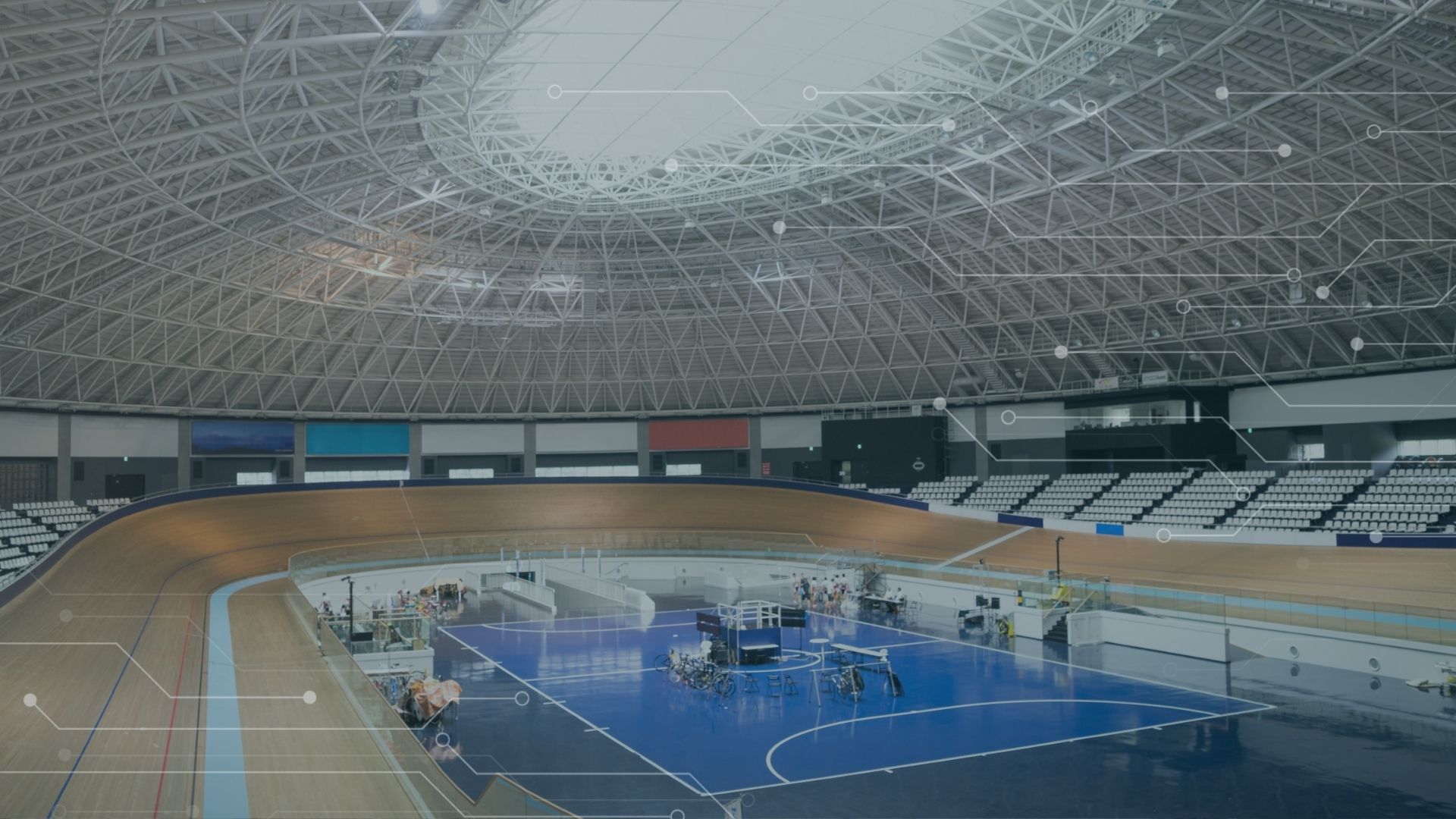
Major events bring thousands of guests through the doors of entertainment and sports venues. Behind the scenes, however, these environments rely on complex technology systems to keep everything running smoothly. Ticketing platforms, payment processing, broadcast systems, guest Wi-Fi and internal networks must all work together without disruption.
Without strong cybersecurity for entertainment and sports venues, these essential systems can become targets for cybercriminals. A cybersecurity incident during a major event does not just disrupt operations, it can negatively impact the guest experience and damage the organization’s reputation.
For venues hosting thousands of attendees at a time, cybersecurity planning is just as important as crowd management or physical safety.
Why Entertainment and Sports Venues Are Targets
Entertainment and sports venues operate in high-pressure environments where downtime is not an option. During major games, concerts or other events, networks must support massive spikes in traffic from mobile devices, payment systems and digital services.
This makes these venues appealing targets for cyberattacks.
Cyber criminals will take high-traffic opportunities to attempt to exploit vulnerabilities in ticketing platforms, payment systems or public Wi-Fi networks. A successful attack could disrupt entry systems, expose customer payment data or interfere with digital displays and broadcast infrastructure.
Because entertainment venues operate on strict schedules, even a brief disruption can derail an entire event.
What Systems Require Protection?
Modern entertainment and sports venues rely on multiple interconnected technologies to support guests, staff and operations. Each system represents a potential security risk if it is not properly protected.
Common systems requiring strong security include:
- Ticketing and entry management platforms.
- Point-of-sale payment systems.
- Broadcast and media production networks.
- Guest Wi-Fi infrastructure.
- Digital signage and scoreboards.
- Internal operational networks.
If even one system is compromised, attackers may be able to move laterally through the network to reach other systems, which is why proper cybersecurity measures are essential.
Network Security for High-Density Environments
Large venues must support thousands of simultaneous connections during major events. Fans use mobile devices for ticket access, mobile ordering, social media and streaming.
These high-density environments require carefully designed infrastructure that separates different types of network traffic.
Effective network security strategies often include:
- Network segmentation to isolate operational systems from guest networks.
- Secure wireless authentication to prevent unauthorized access.
- Traffic monitoring to detect suspicious activity in real time.
- Firewall protection to filter malicious traffic.
- Encrypted connections for sensitive systems.
These protections allow venues to maintain reliable connectivity for guests while protecting internal systems from cyber threats.
Protecting Ticketing and Payment Systems
Ticketing and payment platforms are some of the most critical systems within entertainment venues. These platforms handle high volumes of transactions and sensitive customer information during live events.
A cyberattack targeting these systems could disrupt ticket validation, delay entry lines or expose sensitive customer payment and financial information.
Strong cybersecurity protections for ticketing and payment systems should include:
- Secure payment processing infrastructure.
- Encrypted transaction data.
- Access controls for ticketing systems.
- Continuous monitoring for suspicious activity.
- Secure integrations with third-party vendors.
Protecting these systems helps ensure guests can enter the venue smoothly and complete purchases without interruption.
Securing Broadcast and Production Networks
Many venues also operate complex networks of media and broadcast systems to support live entertainment. These networks handle video feeds, audio production, streaming infrastructure and digital displays throughout the venue.
If attackers gain access to these systems, they could potentially interrupt broadcasts or manipulate digital displays during an event.
Cybersecurity protections for these networks often include:
- Isolated production networks.
- Strict access controls for technical staff.
- Monitoring tools that detect abnormal activity.
- Secure remote access for production teams.
These measures help ensure that broadcasts and live productions remain uninterrupted throughout the event.
Preparing Staff for Cybersecurity Risks
Technology defenses are essential, but staff preparation also plays a major role in venue security. Many cyber incidents can be easily prevented with the proper employee awareness and training. Without proper training, employees may accidentally expose systems to phishing attacks or credential compromise.
Organizations implementing cybersecurity for entertainment and sports venues should provide staff training that covers:
- Identifying phishing attempts.
- Secure password management.
- Safe use of mobile devices on internal networks.
- Reporting suspicious system activity.
When employees understand their role in cybersecurity, venues can significantly reduce the likelihood of security incidents.
Planning for Incident Response
Even the strongest security controls can only protect so much. With new cyber threats arising daily and only so much protection, it is likely every venue will experience an incident of some kind.
That is why having a clear incident response plan should be a core aspect of any cybersecurity strategy.
For venues hosting large events, response planning may include rapid isolation of compromised systems, communication protocols for staff and vendors, backup systems for critical services, and coordination with IT and security teams.
Building Secure Infrastructure for Modern Venues
Entertainment and sports venues operate in some of the most demanding technology environments. Thousands of guests, high-density wireless networks and mission-critical systems must all function together during live events.
Strong cybersecurity for entertainment and sports venues helps protect these systems from disruption while maintaining a safe and reliable experience for guests. By investing in secure infrastructure, network segmentation and proactive monitoring, venues can reduce risk while supporting the technology demands of modern entertainment.
Infrastructure You Can Rely On
Technology should support the energy of your events, not create uncertainty behind the scenes. Rectitude helps entertainment venues build secure IT infrastructure that protects systems, supports high-density connectivity and keeps events running smoothly.
If your organization is preparing for large-scale events or expanding your venue infrastructure, now is the time to ensure your network is ready. Contact Rectitude to explore how secure infrastructure can support your next big event.

Share
Recent Posts
Let's See What's Possible
Learn more about what we do or get a quote for your next project.